Always remember to input accurate data, consider the specific characteristics of your asphalt mix, and remain mindful of environmental conditions to achieve the best results in your paving endeavors. Whether you are a seasoned contractor or new to the world of asphalt paving, mastering the use of a hot mix asphalt calculator will enhance your ability to deliver successful projects.

Thickness of the asphalt layer: The desired depth of the asphalt layer (in inches or centimeters). Area to be paved: The total surface area (in square feet or square meters) that needs to be covered with asphalt. Density of the asphalt mix: The weight of the asphalt per unit volume, which can vary depending on the specific mix design.
HMA is typically produced in a plant and transported to the job site for application. Hot mix asphalt is a combination of aggregates (stone, sand, and gravel) and asphalt binder, which is heated and mixed at high temperatures. This mixture is used for paving roads and other surfaces due to its durability, flexibility, and resistance to weather conditions.
Whether you are a seasoned contractor or new to the industry, leveraging a commercial paving calculator can significantly improve your workflow and project outcomes. In the world of commercial paving, precision and efficiency are paramount. A commercial paving calculator serves as an indispensable tool for contractors, project managers, and builders, allowing them to make informed decisions based on accurate estimates. By understanding how to use this tool effectively and the factors it considers, users can enhance their project management capabilities, save costs, and ultimately deliver high-quality paving projects.

This article will delve into what a commercial paving calculator is, its importance, how to use it, and the factors it takes into account to ensure precise calculations. One of the most valuable tools available to contractors and project managers is the commercial paving calculator. When it comes to commercial paving projects, accurate estimation is key to ensuring a successful outcome.
Determine the Area: Measure the total area that requires asphalt. This can be done in square feet or square meters. For irregular shapes, break the area down into smaller, manageable sections and calculate each one separately.
Manual Calculators: These are simple tools or formulas that allow users to perform calculations using basic arithmetic. While they are useful for quick estimates, they can be less accurate and more time-consuming.
Users must consider these variables when planning their projects, and the calculator can be supplemented with additional site assessment Site-Specific Conditions: Factors such as soil type, weather conditions, and traffic loads can influence asphalt performance.
Material Wastage: Overestimating the amount of asphalt required can result in excess material that may go to waste. Quality Issues: Underestimating the amount of asphalt can lead to insufficient coverage, resulting in a subpar surface that may require repairs or replacements sooner than expected. Cost Overruns: Purchasing more materials than necessary can significantly increase project costs.
This is usually measured in kilograms per cubic meter (kg/m³).
- Mix Ratio: The proportion of bitumen to aggregates in the mix, which can affect the overall performance and durability of the pavement. Input Parameters:
- Area: The total surface area that needs to be covered with bitumen, usually measured in square meters.
- Thickness: The desired thickness of the bitumen layer, typically measured in millimeters or centimeters.
- Density: The density of the bitumen mix, which can vary based on the type of bitumen and additives used.
Some calculators may also require the density of the asphalt mix, which typically ranges from 140 to 150 pounds per cubic foot. Input the Values: Enter the measured area and the desired thickness into the calculator.
Understanding how to use the calculator effectively, along with being aware of the various factors influencing asphalt requirements, can lead to successful project outcomes. By providing accurate estimates of the asphalt required for a project, it facilitates better planning, budgeting, and execution. Whether for a small residential driveway or a large-scale highway construction,
mastering this tool is key to achieving optimal results in asphalt applications. With careful measurement and consideration of potential pitfalls, the use of an Asphalt Tonnage Calculator can greatly enhance the efficiency and effectiveness of asphalt paving projects. An Asphalt Tonnage Calculator is an indispensable tool for contractors and project managers in the construction industry.
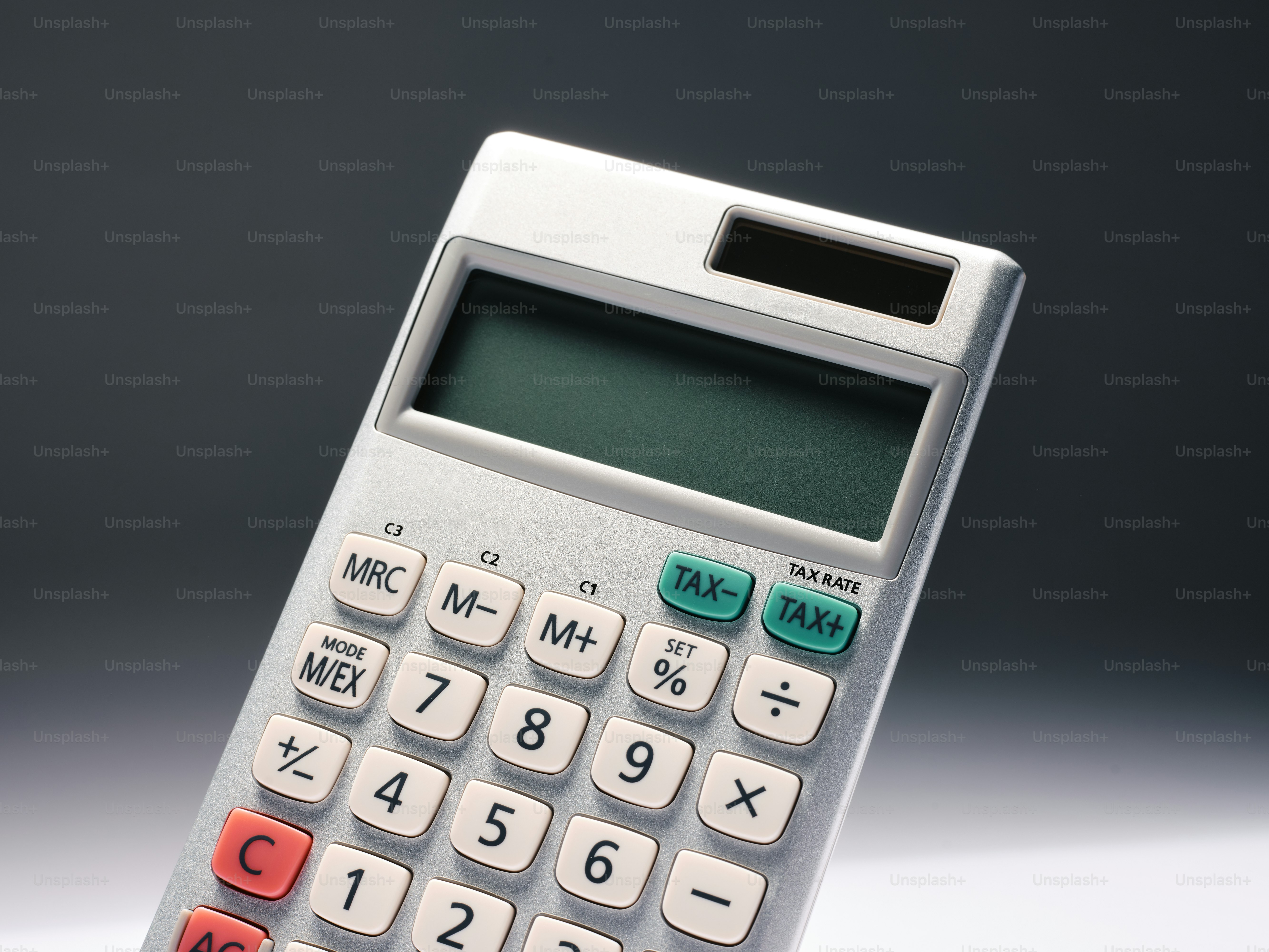
One of the key materials used in various projects, particularly in road construction, is asphalt. This case study explores the significance of the
Asphalt Calculator Metric, its application in the industry, and its impact on project outcome With the increasing demand for high-quality roads and pavements, the need for accurate calculations of asphalt requirements has become critical. In the world of construction, precision and efficiency are paramount.