Users should stay informed about the latest advancements in asphalt mix design to make the best use of calculators and other tools. Continuous Learning: The asphalt industry is constantly evolving, with new materials and technologies emerging.
Quality of Materials: The
quality of the raw materials used in the asphalt mix can significantly affect the price. Higher-quality aggregates or additives that improve performance can increase costs but may provide better long-term value.
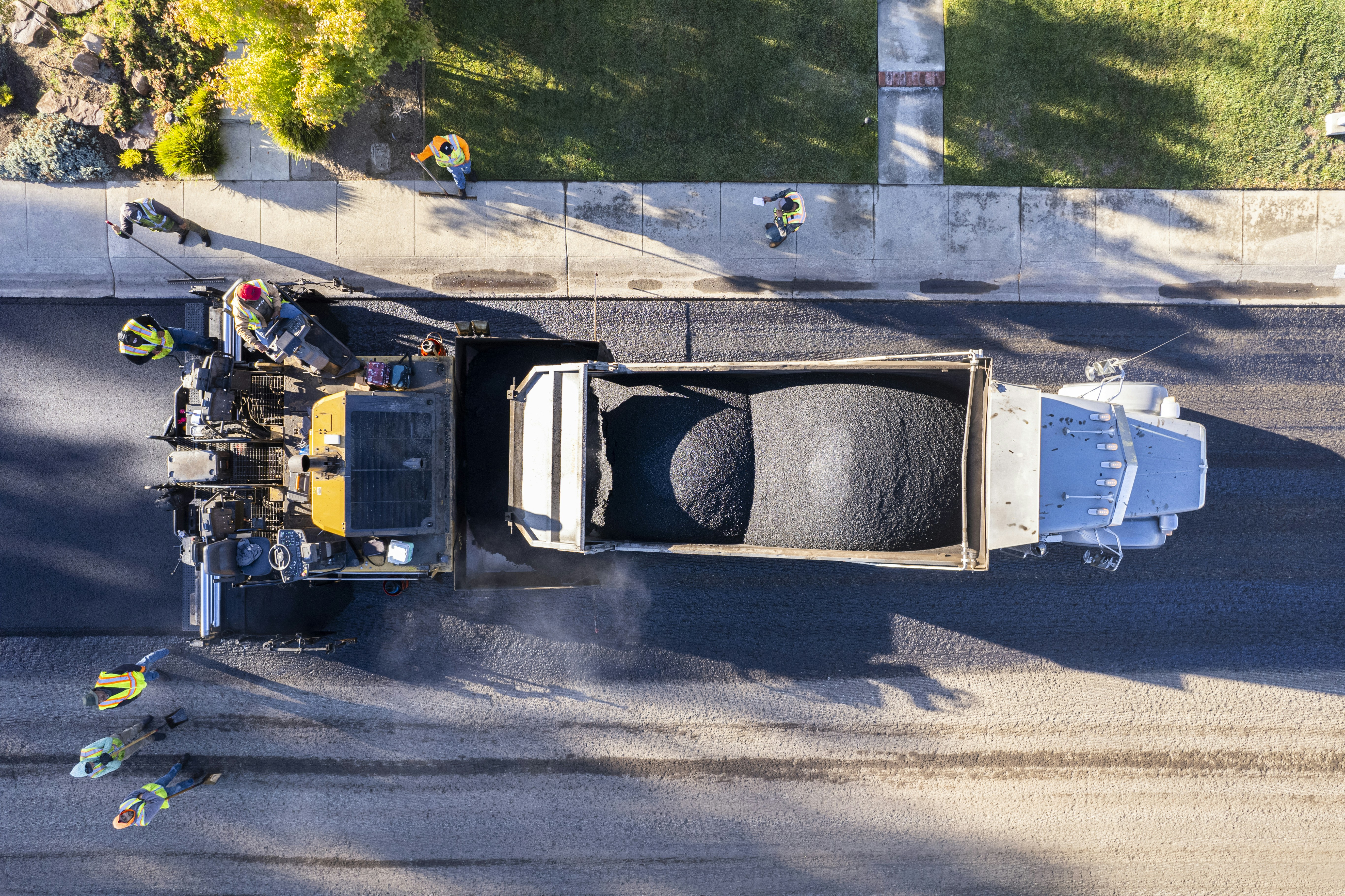
This efficiency is especially valuable in the planning stages of a project, where timely decisions are crucial. Time Efficiency: Calculators provide quick estimates, saving users time compared to manual calculations.
Typically, asphalt may lose about 10% of its volume during compaction. The compaction factor, which accounts for the volume reduction during compaction, is also a crucial element in calculations. Compaction Factor: Asphalt is typically compacted after installation to enhance its durability and strength.
To convert this volume into tons of asphalt, you need to consider the density of the asphalt mix, which typically ranges from 140 to 150 pounds per cubic foot. The formula to convert cubic feet to tons is:
Type of Asphalt Mix: Different types of asphalt mixes have varying densities. The density of the asphalt mix being used will affect the volume calculation, as denser mixes will require less volume to achieve the same weight.
Users must ensure that their calculations comply with local guidelines to avoid potential legal issues. Regulatory Standards: Different regions may have specific regulations and standards for asphalt mix designs.
Asphalt is a vital material used in construction, particularly for paving roads, driveways, and parking lots. This report delves into the significance of using an
asphalt calculator, the factors influencing asphalt volume calculations, and how to use the calculator effectively. One of the essential tools in this process is the asphalt calculator, which helps determine the amount of asphalt needed for a specific area measured in cubic feet. The precise calculation of asphalt requirements is crucial for ensuring that projects are completed efficiently and effectively.
Insufficient asphalt can lead to weak spots, cracking, and other issues that compromise the integrity of the paved surface. Quality Assurance: Using the correct amount of asphalt ensures a quality finish.
For instance, hot mix asphalt (HMA) is typically more expensive than cold mix asphalt due to the higher production costs and the need for heating during application. Type of Asphalt: Different types of asphalt have varying costs. Specialty mixes, such as those designed for high-traffic areas or with enhanced durability, can also command higher prices.
This may include the type of asphalt (hot mix, cold mix, etc.), the total area to be covered (in square feet), and any additional costs such as labor and equipment rental. Input Parameters: Users enter specific details about their project.
Accurate calculations are essential in any construction project, particularly in asphalt paving. An asphalt calculator provides a reliable means of determining the volume of asphalt needed, ensuring that projects stay on budget and on schedule. Overestimating the amount of asphalt can lead to unnecessary expenses, while underestimating can result in insufficient material, leading to project delays and compromised quality.
Preparation of Bid Proposals: Estimators play a vital role in the bidding process. They prepare detailed proposals that outline the estimated costs and materials, which are submitted to clients or stakeholders.
Time Efficiency: Construction projects are often time-sensitive, and the ability to quickly calculate the required materials can save valuable time in the planning phase. This efficiency helps keep projects on schedule and within budget.
This allows project managers to budget more effectively and avoid unexpected expenses. Cost Estimation: The calculator not only helps in determining the volume of asphalt needed but can also provide cost estimates based on local asphalt prices.
Manual Calculation Methods: While less common today due to the availability of digital tools, some professionals still prefer manual calculations. These methods involve using formulas and tables to determine material quantities, which can be beneficial for educational purposes or when technology is not accessible.
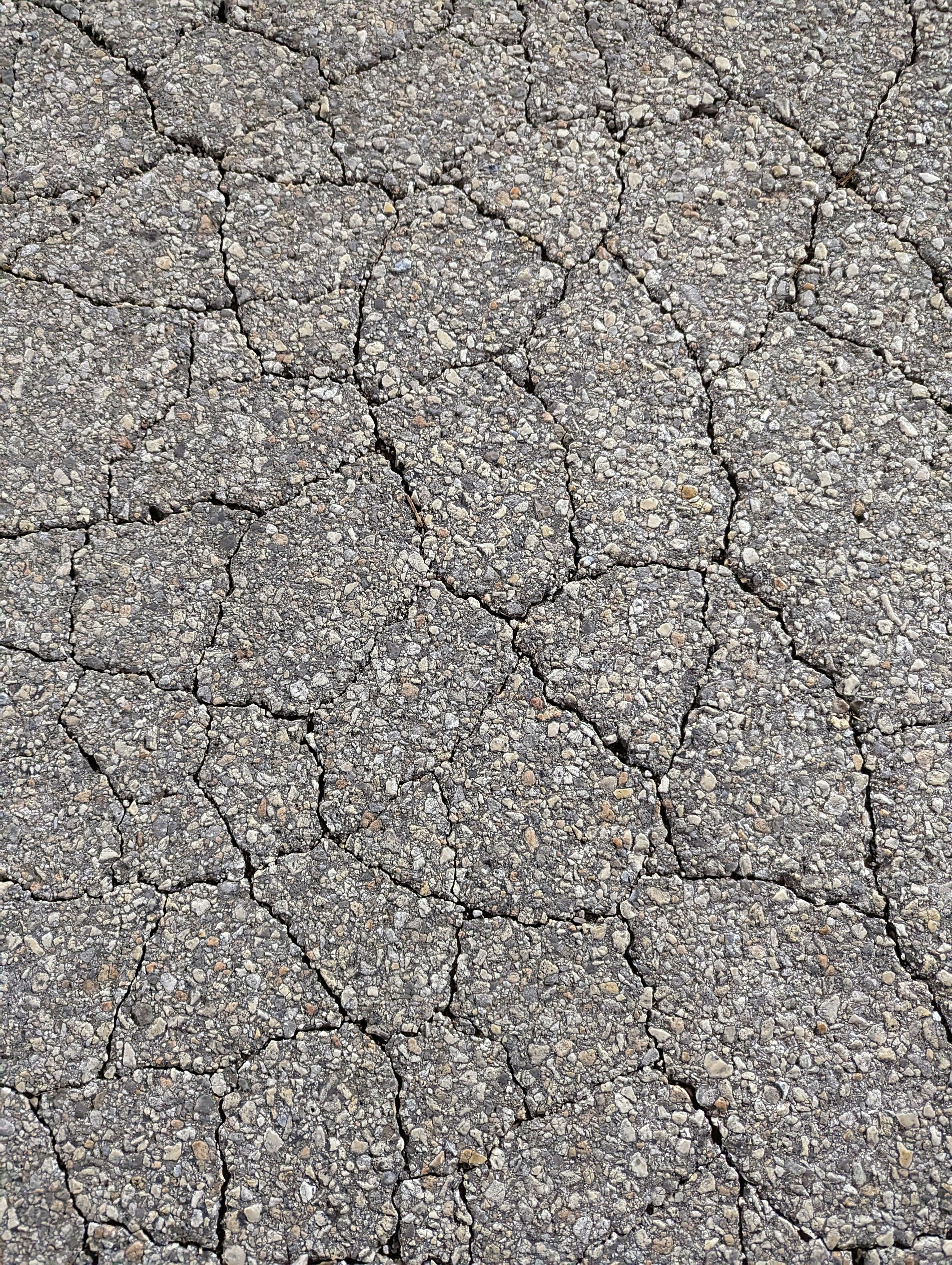
Using an asphalt calculator to determine the cubic feet of asphalt needed for a project is a straightforward yet essential process in construction. By understanding the key factors that influence asphalt volume calculations and following the appropriate steps to use the calculator, contractors and DIY enthusiasts can achieve successful paving projects. As technology continues to advance, the tools available for such calculations will only become more refined, making it easier for professionals and homeowners alike to manage their paving needs efficiently. Accurate calculations not only save money but also contribute to the longevity and performance of asphalt surfaces. It ensures that the right amount of material is purchased, which is critical for the quality and durability of the finished surface.