This includes the base, sub-base, and surface layers, ensuring that the design meets the required structural and functional performance standard Design Recommendations: Based on the input data, the calculator generates recommendations for pavement thickness and layer configuration.
Knowing how to effectively use this tool can save time, reduce costs, and enhance the quality of the finished product, making it an essential aspect of modern construction practices. In summary, whether you're a contractor, engineer, or homeowner, utilizing an Asphalt Weight Calculator can streamline your project and contribute to its overall success.
Tarmac is favored for its smooth finish and ability to withstand heavy traffic, making it a popular choice for both residential and commercial projects. Tarmac, short for tarmacadam, is a type of road surface that consists of crushed stone or aggregate bound together with tar. It is commonly used for roads, driveways, and parking lots due to its durability and cost-effectiveness.
It considers factors like cost, availability, and performance characteristic Material Selection: The calculator assists in selecting appropriate materials for the pavement layers, which may include asphalt, concrete, or composite materials.
The Asphalt Weight Calculator is an invaluable tool for construction professionals involved in paving and asphalt-related projects. By providing accurate weight estimates based on area, thickness, and density, the calculator facilitates better planning, budgeting, and material procurement. Understanding the factors that influence asphalt weight is essential for making informed decisions and ensuring project success. As the construction industry continues to evolve, tools like the Asphalt Weight Calculator will remain critical in promoting efficiency and sustainability in asphalt applications.
Permit and Additional Costs: The calculator also includes estimates for potential permits and additional costs, such as excavation or drainage systems. This feature helps users prepare for all aspects of the projec
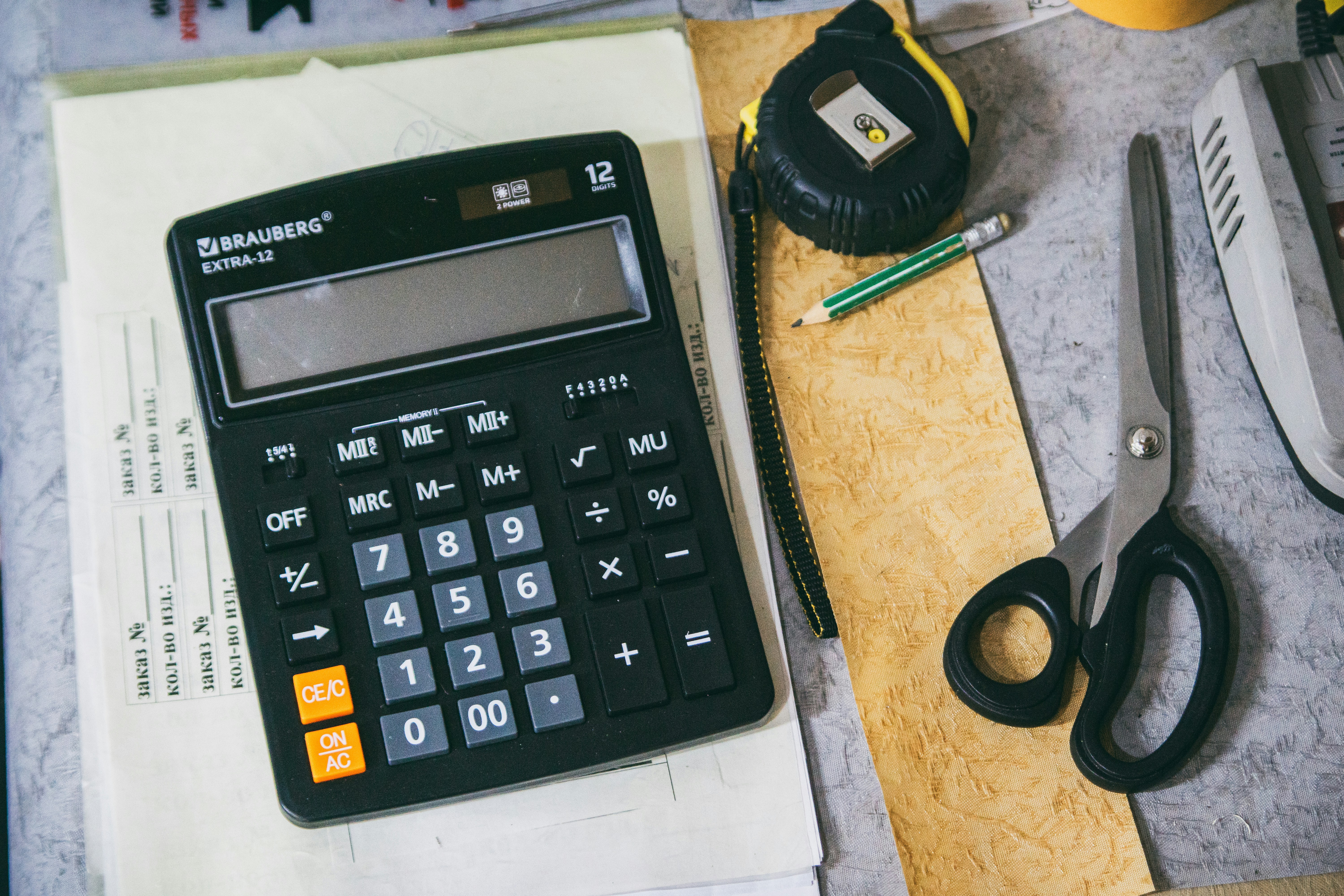
With careful planning and accurate calculations, you can ensure that your tarmac installation goes smoothly and meets your expectations. Whether you are a homeowner planning a driveway or a contractor working on a large-scale project, understanding how to use a tarmac calculator effectively is essential for successful project completion. Tarmac calculators are invaluable tools for anyone involved in construction or landscaping projects that require asphalt surfacing. By providing accurate estimates of the amount of tarmac needed, these calculators can help you save time, reduce costs, and minimize environmental impact.
It ensures that you have enough material on-site to complete the job without having to pause for additional deliveries. Material Management: Knowing the exact amount of tarmac required helps in managing materials effectively.
To convert cubic feet to cubic yards, divide by 27 (since there are 27 cubic feet in a cubic yard), and then multiply by the conversion factor to get the weight in tons. Convert to Tons: If necessary, convert cubic feet to tons, as asphalt is often sold by weight. The conversion factor is typically around 1.5 tons per cubic yard of asphalt.
By using a tarmac calculator, you can contribute to more sustainable building practices. Environmental Impact: Reducing wastage not only saves money but also minimizes the environmental impact of construction projects.
This calculation is vital for budgeting, material procurement, and ensuring that the project meets design specifications. The calculator takes into account various factors, including the dimensions of the area to be paved, the thickness of the asphalt layer, and the density of the asphalt mix. An Asphalt Volume Calculator is a tool designed to help construction professionals and engineers determine the amount of asphalt required for a specific project.
It takes into account the square footage and any additional features, such as curves or slope Size and Dimensions: The calculator allows users to input the dimensions of their driveway, which is essential for accurate cost estimation.
This tool is essential for designing pavements that can withstand the stresses imposed by vehicles while ensuring longevity and minimizing maintenance cost Based on these inputs, the calculator provides recommendations for pavement thickness, material types, and construction methods. A Pavement Calculator is a software application or online tool that allows users to input specific parameters related to a
pavement project, such as traffic loads, soil characteristics, environmental conditions, and material properties.
As technology continues to advance, the tools available for such calculations will only become more refined, making it easier for professionals and homeowners alike to manage their paving needs efficiently. Using an
asphalt calculator to determine the cubic feet of asphalt needed for a project is a straightforward yet essential process in construction. Accurate calculations not only save money but also contribute to the longevity and performance of asphalt surfaces. It ensures that the right amount of material is purchased, which is critical for the quality and durability of the finished surface. By understanding the key factors that
influence asphalt volume calculations and following the appropriate steps to use the calculator, contractors and DIY enthusiasts can achieve successful paving projects.