A smooth ride starts with a clear plan, tight steps, and hands-on checks. In busy towns and spread-out routes, the smartest move is to map out your visit before a warning light stays on. That approach spares you tow-truck bills. We’ll focus on risk-first habits, like triage diagnostics, quality parts, and staged approvals, so you keep control of time and money. If your calendar is packed, grouping minor tasks around a key test like car repair mot can trim backtracking. We’ll move from quick fixes to deeper overhauls. You’ll see how parts choices, bay scheduling, and post-repair validation fit together. With the right questions and a calm checklist, you can move from uncertainty to a finish that feels solid. Think of this as a playbook you can reuse, season after season, without wasting hours.
Mapping needs and goals before work begins for fewer surprises
Start by listing symptoms, new noises, and dashboard alerts, then rank what’s unsafe, what’s urgent, and what can wait. Here’s a quick way to keep everyone aligned: Car Inspection Station so your notes and estimates match. This tiny habit prevents crossed wires later. Add mileage, service history, and any aftermarket parts that could affect fit. Share how you use the car—short hops, long commutes, or a split pattern—because duty cycle changes wear patterns.
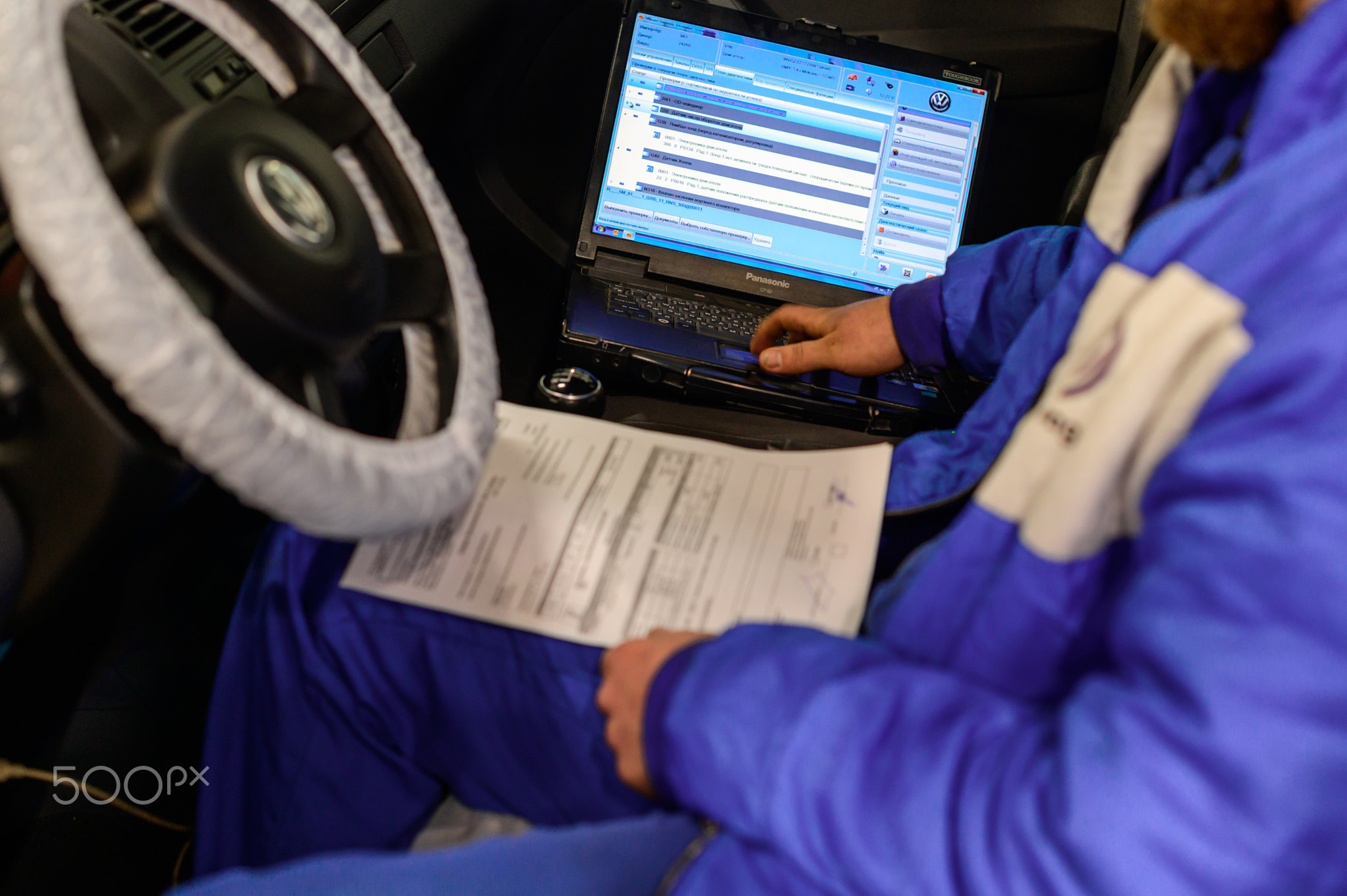
Ask for a triage check first: pull freeze frames, road-test for duplicate symptoms, and verify basics like battery health. Many issues trace back to simple roots, so base checks pay off fast. If the shop proposes extra work, request a staged plan with approval points after each find. You hold the purse strings while techs move with purpose.
Choosing right parts, correct fluids, and reliable data sources
Parts and fluids are not all equal; build a shortlist by brand, warranty terms, and availability within your lead time. When you compare estimates, include freight timing and core returns, then add a buffer: car inspection station for any backordered items. That cushion saves a weekend plan. For emissions or safety items, confirm the shop follows specs a local car inspection station would expect. Use service data that matches your engine code, not just the model year.
On older cars, mix new components with inspected salvage only when testing allows proof of health. Log part IDs and final torques to simplify any warranty claims. For cooling or brakes, ask for fluid type by standard, not color. These details sound small, but they protect the whole system.
Streamlining workflow with staged approvals and tight timelines
Once the triage report lands, set timed stages: diagnosis, parts commit, repair, validation, and handoff. Agree on hold points and who says "go," then capture it in writing, plus this simple check-in: car inspection station during each stage to align updates. You avoid phone tag and guesswork. For busy weeks, book an early drop and a late pickup to fit your commute. If ride-sharing is needed, arrange it when you approve parts.
Shops work best when bays stay loaded and parts arrive just in time. That’s why approvals matter: they trigger pulls and picks. If a surprise pops up, ask for photos, failed readings, and next-step options. You can defer non-safety items without slowing reassembly.
Verifying workmanship and managing risk with measured road tests
Quality is proof, not a promise; request before-and-after data like voltages, trims, or brake measurements. Pair that with a measured road test, same load, and the same tire pressure, then ask for a short clip and a summary: car inspection station so findings are captured cleanly. This turns seat-of-pants into data. If the work relates to fuel or spark, check cold and hot starts. For steering or suspension, note return-to-center and straight-line stability.

When deeper faults appear, you want choices, not ultimatums. Ask for a tiered path: repair now, monitor, or redesign with a different part grade. If you prefer a bigger network, vetted car repair shops can honor shared warranties or service records. Whichever path, documentation saves the next visit.
Extending lifecycle with regular habits and simple owner checks
After a good repair, protect it with small rhythms: tire rotations, brake checks, and a calendar for filters and fluids. Track fuel trims or MPG monthly, then log any drift and discuss it at your next visit; add a reminder here: car inspection station as a prompt for your future self. That habit catches issues early. Keep a tub of basic tools and gloves in the trunk for roadside quick fixes. Park on level spots once a week to scan for new drips.
For seasonal swings, prep seals, coolant, and wipers two weeks before extreme weather. A quick loop around the block confirms the work. If you track costs, split them by safety, performance, and comfort; that view shows where dollars matter most. And if tunes or mods tempt you, budget a post-change health check. Strong fundamentals keep fun upgrades reliable.
Conclusion
A calm, risk-first routine lowers stress while keeping real-world schedules intact. You scoped needs, chose better parts, synced timelines, checked results, and built habits that extend vehicle life. With steady records and clear approvals, surprises shrink and safety climbs. As seasons change and miles add up, your plan stays simple, repeatable, and built for the road.