Introduction
In recent years, the idea of investing in treasured metals has gained traction among buyers searching for to diversify their portfolios and hedge against economic uncertainty. One of the simplest ways to spend money on gold, silver, platinum, and palladium is thru Individual Retirement Accounts (IRAs). This study report delves into the intricacies of IRA-authorized bullion, exploring its types, advantages, laws, and considerations for buyers.
What's IRA Authorized Bullion?
IRA-permitted bullion refers to particular types of treasured metals that meet the criteria set by the inner Revenue Service (IRS) for inclusion in a self-directed Individual Retirement Account. If you have any queries relating to where and how to use Trlink, you can make contact with us at our internet site. These metals can be in the form of coins or bars and should meet certain purity requirements to qualify for tax-advantaged retirement savings.
Forms of IRA Accepted Bullion
The IRS has established guidelines concerning the kinds of bullion that can be included in an IRA. The next categories sometimes qualify:
- Gold Bullion:
- Must be 99.5% pure or increased.
- Widespread examples embrace American Gold Eagles, Canadian Gold Maple Leafs, and Australian Gold Kangaroos.
- Silver Bullion:
- Should be 99.9% pure or higher.
- Fashionable choices embrace American Silver Eagles, Canadian Silver Maple Leafs, and Silver bars from approved refiners.
- Platinum Bullion:
- Should be 99.95% pure or increased.
- Examples embrace American Platinum Eagles and platinum bars from recognized mints.
- Palladium Bullion:
- Must be 99.95% pure or higher.
- Frequent decisions embrace American Palladium Eagles and palladium bars from accredited manufacturers.
Benefits of Investing in IRA Approved Bullion
Investing in IRA-accredited bullion offers a number of advantages, making it an interesting option for retirement savings:
- Diversification: Valuable metals provide a technique of diversifying an investment portfolio, which will help mitigate risks associated with stock market volatility.
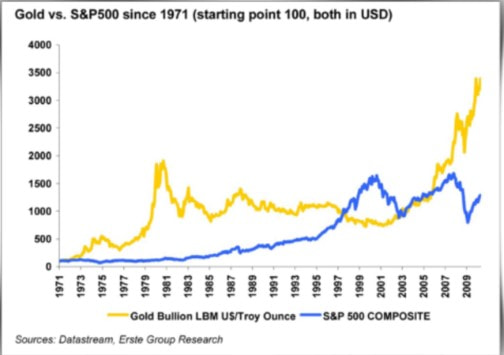
- Hedge Towards Inflation: Traditionally, valuable metals have been seen as a secure haven throughout instances of financial uncertainty and inflation. They are inclined to retain their value, making them a reliable store of wealth.
- Tax Advantages: Contributions to a self-directed IRA can be tax-deductible, and any good points made throughout the account are tax-deferred till withdrawal. This can lead to significant tax financial savings over time.
- Bodily Possession: In contrast to paper property, investing in bullion allows individuals to personal tangible property. This may present a sense of security throughout financial downturns.
Regulatory Framework
The IRS has specific rules governing the inclusion of bullion in IRAs. Key rules embrace:
- Purity Standards: As previously talked about, each sort of bullion should meet specific purity levels to be eligible for IRA inclusion.
- Storage Necessities: Bullion must be stored in an authorised depository. Investors can't take bodily possession of the metals whereas they are within the IRA, as this may violate IRS guidelines.
- Custodians: Investors must work with a custodian who focuses on self-directed IRAs. The custodian manages the account, ensures compliance with IRS rules, and facilitates the purchase and storage of bullion.
- Contribution Limits: The IRS sets annual contribution limits for IRAs. For 2023, the restrict is $6,500 for people under 50 and $7,500 for those aged 50 and over. These limits apply to the entire contributions throughout all IRAs.
Considerations for Buyers
While investing in IRA-permitted bullion may be useful, there are several issues that potential buyers ought to keep in thoughts:
- Market Volatility: The prices of treasured metals may be volatile, and while they might provide a hedge towards inflation, they can also experience significant worth fluctuations.
- Fees and Expenses: Traders ought to remember of the fees related to organising and maintaining a self-directed IRA, together with custodial charges and storage costs for the bullion.
- Liquidity: Promoting bullion can generally be less liquid than promoting stocks or bonds. Investors should consider the benefit of converting their bullion into cash when needed.
- Lengthy-Term Investment: Precious metals should be considered as an extended-term funding. Investors ought to be prepared to hold their bullion for several years to comprehend potential positive aspects.
Conclusion
IRA-authorized bullion represents a invaluable opportunity for buyers looking for to diversify their retirement portfolios and protect their wealth in opposition to economic fluctuations. With the potential for tax benefits, physical possession, and a hedge towards inflation, valuable metals can play a major role in a properly-rounded investment strategy. Nonetheless, it is essential for traders to conduct thorough research, understand the related rules, and consider their long-time period financial goals earlier than diving into the world of IRA-accepted bullion. By doing so, traders can make informed choices that align with their retirement objectives and financial aspirations.