Peptides have gained significant attention in various fields, including medicine, fitness, and cosmetic industries, due to their diverse biological functions and therapeutic potentials. As a result, the market for peptides has expanded, leading to an increase in suppliers offering these compounds. However, the quality of peptides can vary greatly, making it crucial for consumers to seek out products that undergo rigorous quality testing. This report will explore what peptides are, their applications, and the importance of quality testing in ensuring the safety and efficacy of peptides for sale.
Understanding Peptides
Peptides are short chains of amino acids linked by peptide bonds. They play a vital role in biological processes, acting as hormones, neurotransmitters, and signaling molecules. Peptides can be classified into different categories based on their functions, including:
- Hormonal Peptides: These include insulin and growth hormone-releasing peptides, which regulate various physiological processes.
- Neuropeptides: These are involved in transmitting signals in the nervous system and can affect mood, pain perception, and stress responses.
- Antimicrobial Peptides: These peptides have the ability to fight infections and are being researched for their potential in treating antibiotic-resistant bacteria.
The applications of peptides are vast, ranging from therapeutic uses in treating diseases to enhancing athletic performance and promoting skin health in cosmetic formulations.
The Growing Market for Peptides
The demand for peptides has surged in recent years, driven by advancements in biotechnology and an increasing interest in personalized medicine. The fitness industry has also contributed to this growth, with athletes and bodybuilders seeking peptides for performance enhancement, muscle growth, and recovery. Additionally, the cosmetic industry has embraced peptides for their anti-aging properties, leading to a proliferation of peptide-based skincare products.
As the market expands, so does the number of suppliers offering peptides for sale. While this presents consumers with a variety of options, it also raises concerns about the quality and purity of these products.
Importance of Quality Testing
Quality testing is essential for ensuring that peptides are safe, effective, and free from contaminants. The lack of regulation in the peptide market means that not all suppliers adhere to the same standards, making it imperative for consumers to choose products that have undergone thorough testing. Here are some key aspects of quality testing for peptides:
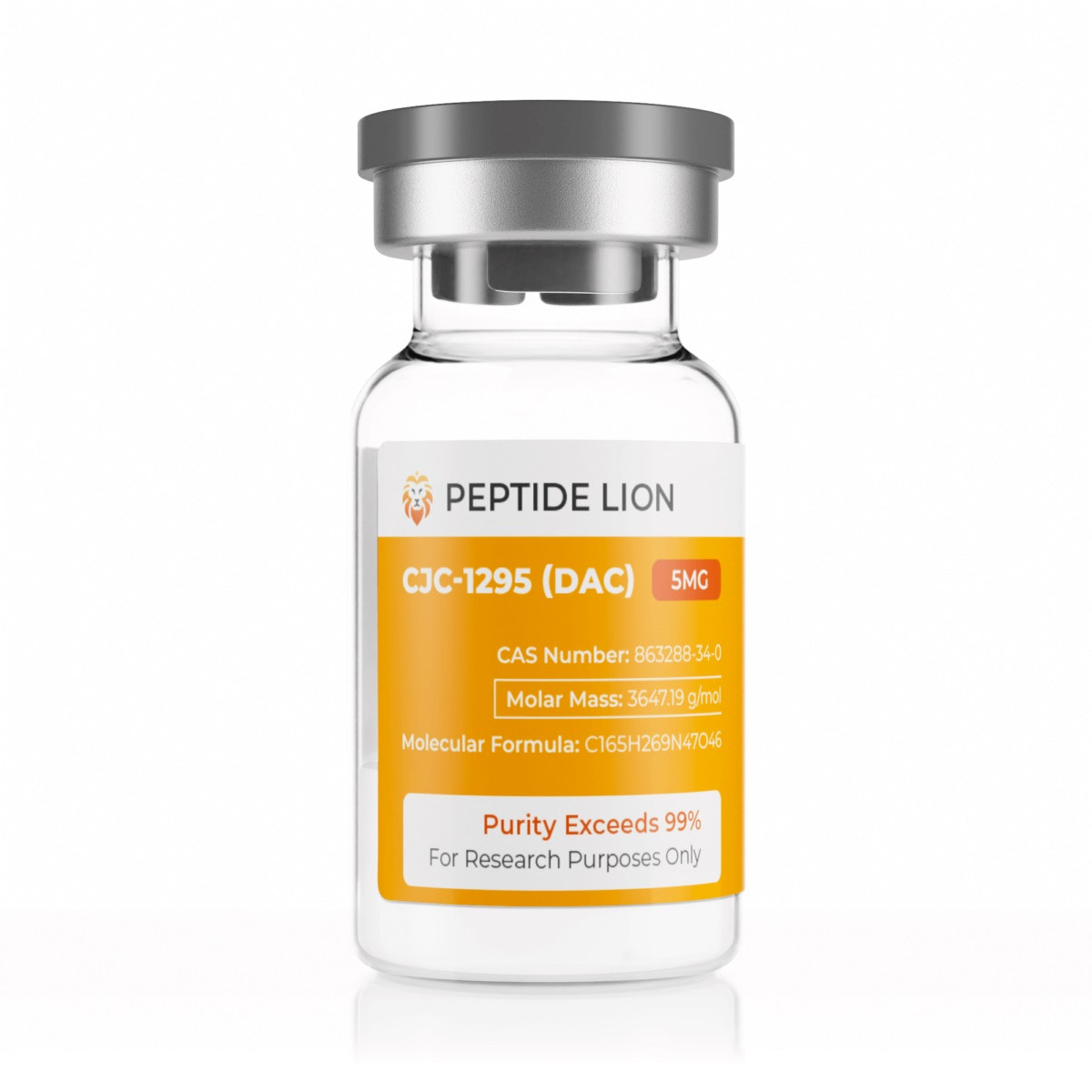
- Purity Testing: High-quality peptides should have a purity level of 95% or higher. If you beloved this article therefore you would like to obtain more info about Regulatory Peptide i implore you to visit our web site. Purity testing is typically conducted using techniques such as high-performance liquid chromatography (HPLC) to separate and quantify the peptide components.
- Identity Verification: It is crucial to confirm that the peptide being sold is indeed what it claims to be. Mass spectrometry is often used to verify the molecular weight and structure of the peptide, ensuring that it matches the expected profile.
- Contaminant Screening: Peptides can be contaminated with harmful substances, including residual solvents, heavy metals, and microbial contaminants. Quality testing should include screening for these contaminants to ensure the safety of the product.
- Stability Testing: Peptides can degrade over time, affecting their efficacy. Stability testing involves assessing how well a peptide maintains its integrity under various conditions, such as temperature and humidity.
- Batch Testing: Because peptides can vary from batch to batch, it is important for suppliers to conduct testing on each production batch. This ensures that every batch meets the established quality standards.
Choosing a Reliable Supplier
When looking for peptides for sale, consumers should prioritize suppliers that provide comprehensive quality testing information. Here are some tips for selecting a reliable supplier:
- Transparency: A reputable supplier should be transparent about their testing processes and provide access to certificates of analysis (COAs) for their products. COAs should detail the results of purity, identity, and contaminant testing.
- Reputation: Research the supplier's reputation within the industry. Look for reviews, testimonials, and any certifications that indicate adherence to quality standards.
- Customer Support: A reliable supplier should offer excellent customer support, ready to answer questions about their products and testing processes.
- Research and Development: Suppliers that invest in research and development are more likely to provide high-quality peptides. Look for companies that are involved in scientific studies or collaborations with research institutions.
- Compliance with Regulations: Ensure that the supplier complies with relevant regulations and guidelines, such as Good Manufacturing Practices (GMP) or ISO certifications.
Conclusion
As the peptide market continues to grow, the importance of quality testing cannot be overstated. Consumers must be vigilant in selecting peptides for sale, ensuring that they are purchasing high-quality products that have undergone rigorous testing. By prioritizing suppliers that provide transparency, reputation, and compliance with quality standards, consumers can safely explore the benefits of peptides in their respective fields. Whether for therapeutic purposes, athletic enhancement, or cosmetic applications, the assurance of quality testing is key to unlocking the full potential of peptides.