
This article explores the current state of AI, highlighting key advancements and their implications across various sectors. The advancements in AI are not just incremental; they represent a paradigm shift in how we interact with technology, process information, and make decisions. In recent years, artificial intelligence (AI) has made remarkable strides, fundamentally transforming industries and everyday life.

In the realm of autonomous vehicles, AI has made significant progress, with companies like Tesla, Waymo, and Uber leading the charge. While fully autonomous vehicles are still in the testing phase, the technology continues to evolve, promising to reshape transportation and reduce traffic accidents in the future. Advanced driver-assistance systems (ADAS) utilize AI to enhance vehicle safety, offering features like lane-keeping assistance, adaptive cruise control, and automatic emergency braking.

This intuitive method of interaction can enhance user experience, particularly in mobile applications and gaming, where precision is less critical than quick, fluid movements. With the rise of touchscreen devices, such as tablets and smartphones, the need for a traditional cursor has diminished in many contexts. Touchscreen gestures allow users to interact directly with the screen, using taps, swipes, and pinches to navigate and manipulate content.
The potential for AI to perpetuate existing biases in decision-making processes, particularly in hiring or law enforcement, necessitates a commitment to fairness and transparency in AI development. Policymakers, technologists, and ethicists must collaborate to establish guidelines and regulations that ensure AI is used responsibly and equitably. Despite these advancements, the rise of AI also raises ethical and societal concerns. Issues such as data privacy, algorithmic bias, and job displacement are critical considerations that must be addressed as AI technologies continue to proliferate.
Wind Energy: Wind turbines convert kinetic energy from wind into electricity. Wind energy has grown exponentially over the past few decades, becoming one of the fastest-growing energy sources globally. Its scalability allows for both large wind farms and small, community-based installations.

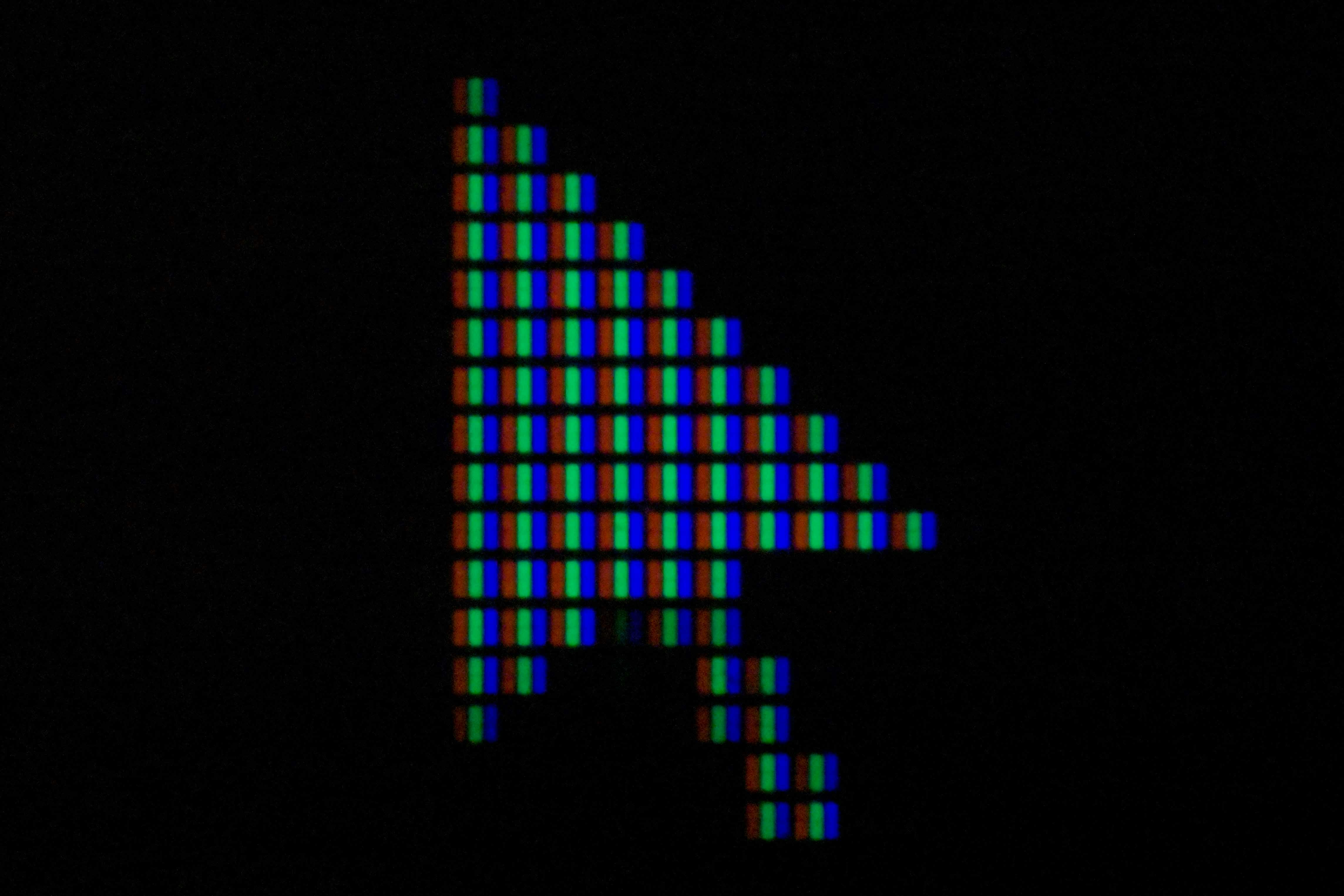
While the traditional mouse cursor has been the standard for decades, advancements in technology and user experience design have led to the emergence of various cursor alternatives that cater to different needs and preferences. In this article, we will explore some of the best cursor alternatives available today, highlighting their features, benefits, and potential applications. In the digital landscape, the cursor serves as an essential tool for navigation and interaction.

Integration with existing systems: Watson can be integrated with various enterprise systems, allowing for streamlined workflows. Strong analytics capabilities: Excellent at processing and analyzing large datasets to derive insights. Industry-specific solutions: Watson offers tailored solutions for various sectors, enhancing its applicability.
This report explores the multifaceted impacts of climate change on biodiversity, the mechanisms through which these effects occur, and potential solutions to mitigate the crisis. Climate change is one of the most pressing issues facing the planet today, with profound implications for global biodiversity. As temperatures rise, weather patterns shift, and ecosystems are disrupted, countless species are threatened.
Public Awareness and Education: Raising awareness about the importance of biodiversity and the impacts of climate change is vital for fostering public support for conservation initiatives and climate action.
Emphasizing education and training in AI and related fields will be crucial in preparing individuals for the jobs of the future. While AI has the potential to automate mundane tasks, leading to increased efficiency and productivity, there is concern about the displacement of jobs in certain sectors. Moreover, the impact of AI on employment is a topic of ongoing debate. However, history has shown that technological advancements often create new job opportunities, and the key lies in reskilling the workforce to adapt to the changing landscape.
This technology enables users to control the cursor using their eye movements, allowing for hands-
Free Cursor Alternatives navigation. Eye-tracking technology represents a significant advancement in cursor alternatives, particularly for individuals with mobility impairments. This innovation not only increases accessibility but also opens new avenues for interaction in gaming and virtual reality environments. Systems like Tobii and EyeTech have developed eye-tracking devices that can be integrated with computers, enabling users to click, scroll, and select items simply by looking at them.
Additionally, some applications allow users to create cursors that match their specific needs, such as larger cursors for better visibility or themed cursors for a fun aesthetic. Custom cursors can enhance visual appeal and provide a unique touch to the user interface, making digital interactions more enjoyable. Various software applications and extensions allow users to change the appearance and behavior of their cursors, from simple color changes to intricate animations. For users who wish to personalize their digital experience, customizable cursors offer an exciting alternative.