Ongoing training and outreach efforts are necessary to encourage wider adoptio User Adoption: While many engineers and contractors have embraced the tool, there remains a segment of the industry that relies on traditional methods.
Cost Overruns: Purchasing more materials than necessary can significantly increase project costs. Quality Issues: Underestimating the amount of asphalt can lead to insufficient coverage, resulting in a subpar surface that may require repairs or replacements sooner than expected.
Material Wastage: Overestimating the amount of asphalt required can result in excess material that may go to waste.
By providing a consistent approach to calculations, it fosters uniformity in project execution and quality assuranc Standardization of Practices: The calculator has contributed to the standardization of overlay design practices across the industry.
Weather Conditions: Temperature can affect the density of asphalt. Hot asphalt is less dense than cooler asphalt, which may slightly alter required quantitie Type of Asphalt Mix: Different mixes may have varying densities, which can affect the calculation. A common practice is to add 5-10% to the calculated amount. Waste Factor: It is prudent to account for waste, spillage, and compaction. Always check with the supplier for the specific density of the mix being used.
Always ensure you are using the correct density for your specific mix design. Adjust your calculations accordingly if necessary. For instance, extreme heat or cold can impact the asphalt’s performance. Consider this when determining your initial thickness. Mix Design Variability: Different asphalt mixes have varying densities. Compaction Rates: The level of compaction achieved during the paving process can also affect the final thickness and density of the asphalt layer. Environmental Factors: Weather conditions can affect the paving process.
Proper compaction reduces the air voids in the asphalt, leading to a denser, more durable surface. Compaction: The degree of compaction achieved during installation can influence the final volume of asphalt needed.
Common thicknesses range from 1.5 to 3 inches for driveways and parking lots, while roads may require thicker layers. Thickness of the Blacktop Layer: The thickness of the blacktop layer directly impacts the volume of material required.
The density of asphalt can vary based on its composition and temperature, but it typically ranges from 140 to 150 pounds per cubic foot (pcf). This density is a critical factor when calculating the required tons for a projec It is primarily used in road construction and roofing. Understanding Asphalt
Asphalt, also known as bitumen, is a sticky, black, and highly viscous liquid or semi-solid form of petroleum.
When planning a paving project, keep in mind that it is wise to order a little extra material to account for spillage, over-excavation, or miscalculations. A typical recommendation is to add about 10% to your final tonnage calculation.
Many calculators will provide standard density values, but it’s essential to use the correct value for your specific mix. Input Data into the Calculator: Enter the area and thickness into the hot mix
asphalt calculator, along with the density of the specific asphalt mix being used.
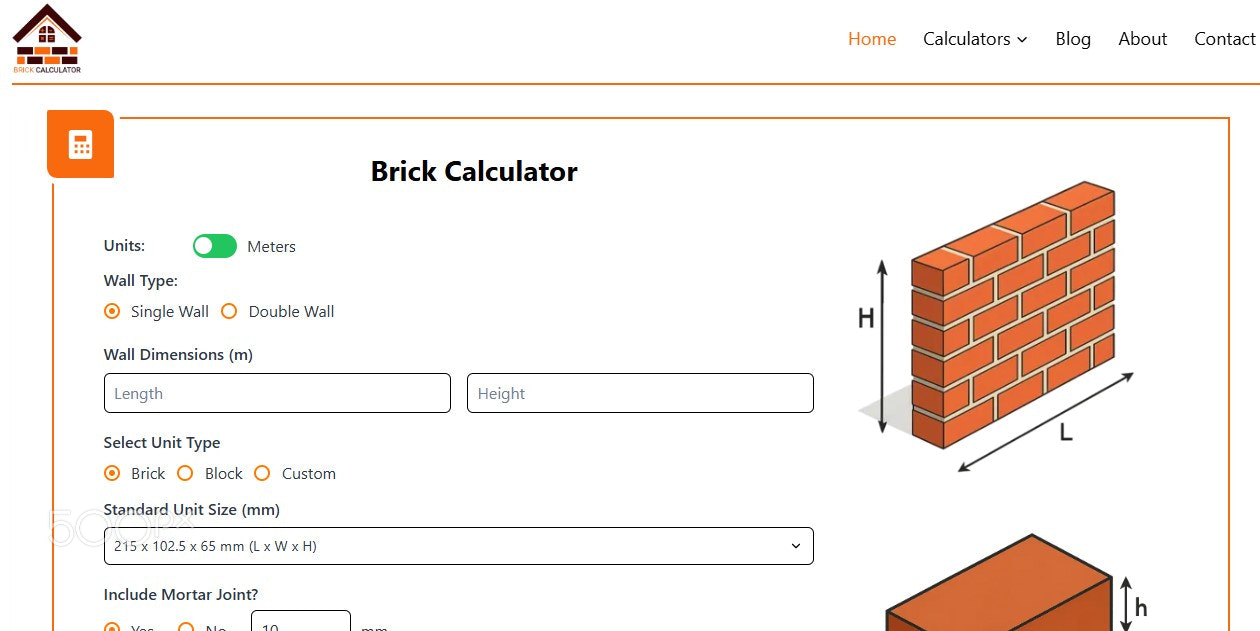
One of the most valuable tools available to contractors and project managers is the commercial paving calculator. When it comes to commercial paving projects, accurate estimation is key to ensuring a successful outcome. This article will delve into what a commercial paving calculator is, its importance, how to use it, and the factors it takes into account to ensure precise calculations.
A commercial paving calculator serves as an indispensable tool for contractors, project managers, and builders, allowing them to make informed decisions based on accurate estimates. Whether you are a seasoned contractor or new to the industry, leveraging a commercial paving calculator can significantly improve your workflow and project outcomes. By understanding how to use this tool effectively and the factors it considers, users can enhance their project management capabilities, save costs, and ultimately deliver high-quality paving projects. In the world of commercial paving, precision and efficiency are paramount.
Calculate: Once all the necessary information is entered, click the "calculate" button. The calculator will provide you with an estimate of the total area, the amount of material needed, and the estimated cost.
This includes scheduling deliveries, managing workforce allocation, and ensuring that the project timeline is adhered to. Enhanced Planning: With precise calculations, project managers can plan more effectively.
Density of the Blacktop: The density of blacktop can vary depending on the mix design. On average, the density of compacted asphalt is about 145 pounds per cubic foot (pcf) or approximately 2,400 kilograms per cubic meter (kg/m³).
By inputting specific parameters, users can receive an estimate of how much material will be needed and the overall project cost. This is crucial for budgeting and financial planning. Cost Estimation: One of the primary functions of a commercial paving calculator is to provide cost estimates.