This factor varies but is generally around 0.9 for asphalt. The compaction factor accounts for the reduction in volume that occurs when the asphalt is compacted. Compaction Factor: Asphalt is typically compacted during installation to enhance durability.
Poor soil conditions may require additional preparation or a thicker asphalt layer. Soil Conditions: The underlying soil can significantly affect the installation process and the durability of the driveway.
A typical recommendation is to add about 10% to your final tonnage calculation. When planning a paving project, keep in mind that it is wise to order a little extra material to account for spillage, over-excavation, or miscalculations.
Thickness of Asphalt Layer: The thickness of the asphalt layer will depend on the type of surface being paved. For example, driveways may require a thickness of 2-3 inches, while roads may need 4-6 inches. Understanding the purpose of the paved surface will help determine the appropriate thickness.
User-Friendly: Most asphalt paving calculators are designed to be user-friendly, requiring only basic information to generate results. This accessibility makes it easy for anyone to use, regardless of their level of expertise.
This report delves into the purpose, functionality, and benefits of using such a calculator. It provides a protective layer that helps to prolong the life of the asphalt, preventing damage from UV rays, water, oil, and other harmful substances. To effectively plan for sealcoating, property owners and contractors often utilize an Asphalt Sealcoating Calculator. Asphalt sealcoating is an essential maintenance process for asphalt surfaces, particularly driveways and parking lots.

Length and Width of the Driveway: The first step in using the calculator is to measure the length and width of the area where the driveway will be installed. These dimensions are crucial in determining the total
square footage.
In the event you loved this post and you would like to receive more details about
Asphalt Calculator generously visit the webpage. An asphalt driveway calculator helps homeowners and contractors estimate the quantity of asphalt required based on various parameters. Accurate calculations can prevent over-ordering or under-ordering of materials, both of which can lead to increased costs and project delays. Installing an asphalt driveway is not just about laying down a surface; it involves careful planning and precise measurements.
For our example, the inputs would be:
- Length: 50 feet
- Width: 20 feet
- Thickness: 3 inches (converted to feet: 0.25 feet)
- Compaction Factor: 0.9 Input the Data into the Calculator: Enter the length, width, thickness, and compaction factor into the asphalt driveway calculator.
It is essential to determine the appropriate thickness based on traffic loads and environmental conditions. Thicker layers require more asphalt, while thinner layers need less. Thickness of the Layer: The thickness of the asphalt layer has a direct impact on the weight.
Thickness of the Blacktop Layer: The thickness of the blacktop layer directly impacts the volume of material required. Common thicknesses range from 1.5 to 3 inches for driveways and parking lots, while roads may require thicker layers.
Thickness: The desired thickness of the asphalt layer, typically measured in inches or centimeters. Area: The total surface area that needs to be paved, usually measured in square feet or square meters. Density: The density of the asphalt mix, which can vary depending on the type of asphalt used. Common densities range from 140 to 150 pounds per cubic foot (pcf) or 2,240 to 2,400 kilograms per cubic meter (kg/m³).
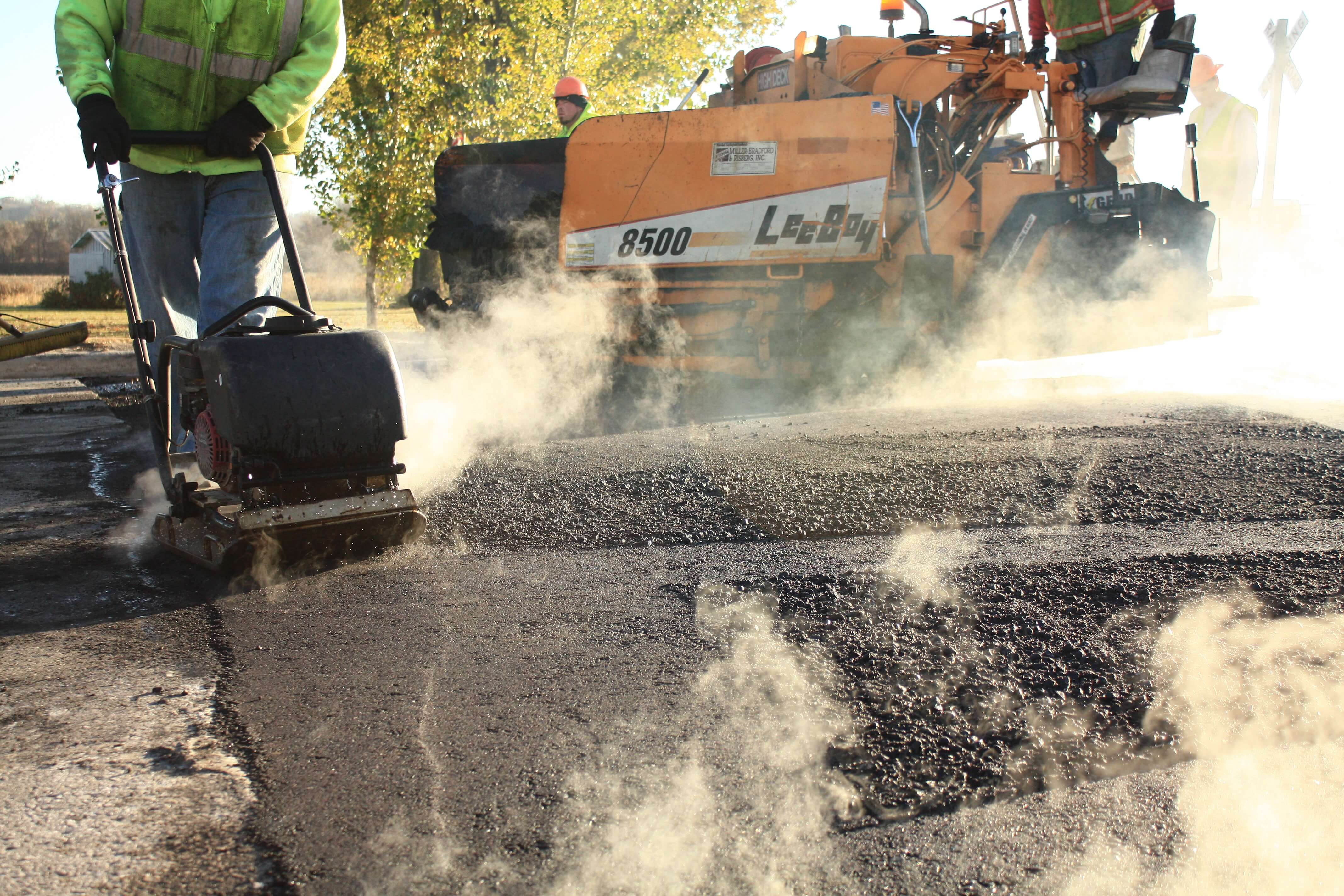
Compaction: The degree of compaction achieved during the laying process can also impact the final weight of the asphalt. Well-compacted asphalt will have a higher density than poorly compacted asphalt, affecting the overall weight.
By inputting specific measurements and parameters, users can obtain accurate estimates of material needs, labor costs, and overall project expenses. It takes into account various factors, including the dimensions of the area to be sealed, the type of sealant being used, and the number of coats recommended for optimal protection. An Asphalt Sealcoating Calculator is a digital tool designed to estimate the amount of sealant required for a given asphalt surface area.
Accuracy: The primary benefit of using a Bitumen Calculator is the accuracy it offers. Incorrect calculations can lead to either surplus or insufficient quantities of bitumen, resulting in increased costs or substandard construction.
By accurately measuring the area, determining the desired thickness, and considering the density of the material, you can ensure that you order the right amount of blacktop for your project. Proper planning and calculations will not only save time and resources but also contribute to the longevity and durability of the paved surface. Calculating the tons of blacktop needed for a paving project is a straightforward process when you understand the necessary measurements and formulas. Whether you are a seasoned contractor or a DIY enthusiast, mastering this calculation is an invaluable skill in the world of construction and paving.
