Poor soil conditions may require additional preparation or a thicker asphalt layer. Soil Conditions: The underlying soil can significantly affect the installation process and the durability of the driveway.
Compaction Factor: Asphalt is typically compacted during installation to enhance durability. This factor varies but is generally around 0.9 for asphalt. The compaction factor accounts for the reduction in volume that occurs when the asphalt is compacted.
Standard thicknesses range from 2 to 4 inches, depending on the intended use of the driveway (e.g., residential vs. The calculator will often prompt users to input the desired thickness. Thickness of the Asphalt Layer: The thickness of the asphalt layer is another critical factor.
For instance, hot mix asphalt (HMA) is typically more expensive than cold mix asphalt due to the higher production costs and the need for heating during application. Specialty mixes, such as those designed for high-traffic areas or with enhanced durability, can also command higher prices. Type of Asphalt: Different types of asphalt have varying costs.

Here's more info about
Asphalt Calculator review the web-site. Establishing a feedback loop with users can facilitate this proces Continuous Updates: As materials and construction practices evolve, the calculator’s algorithms will require regular updates to ensure accuracy and relevance.
It is commonly used for roads, driveways, and parking lots due to its durability and cost-effectiveness. Tarmac, short for tarmacadam, is a type of road surface that consists of crushed stone or aggregate bound together with tar. Tarmac is favored for its smooth finish and ability to withstand heavy traffic, making it a popular choice for both residential and commercial projects.
The Asphalt Overlay Calculator was first implemented in a pilot project involving a major highway rehabilitation. The results were compared with traditional methods, revealing significant time savings and improved accurac Engineers used the calculator to assess the existing pavement condition and determine the optimal overlay thickness.
These dimensions are crucial in determining the total square footage. Length and Width of the Driveway: The first step in using the calculator is to measure the length and width of the area where the driveway will be installed.

Cost Efficiency: One of the primary reasons to use a tarmac calculator is to estimate costs accurately. By calculating the exact amount of tarmac needed, you can avoid over-purchasing, which leads to wasted materials and unnecessary expenses.
User-Friendly Interface: Most Blacktop Calculators are designed with an intuitive interface, making it accessible for users with varying levels of technical expertise. This ease of use is essential for contractors who may not be familiar with complex engineering calculations.
These tools often include advanced features such as:
- User-friendly interfaces.
- Pre-set formulas for different types of projects.
- The ability to save and retrieve past calculations.
- Integration with other construction management software. Digital Calculators: Many construction companies and professionals now use digital Bitumen Calculators, which can be found as standalone software or mobile applications.
With careful planning and accurate calculations, you can ensure that your
tarmac installation goes smoothly and meets your expectations. Tarmac calculators are invaluable tools for anyone involved in construction or landscaping projects that require asphalt surfacing. By providing accurate estimates of the amount of tarmac needed, these calculators can help you save time, reduce costs, and minimize environmental impact. Whether you are a homeowner planning a driveway or a contractor working on a large-scale project, understanding how to use a tarmac calculator effectively is essential for successful project completion.
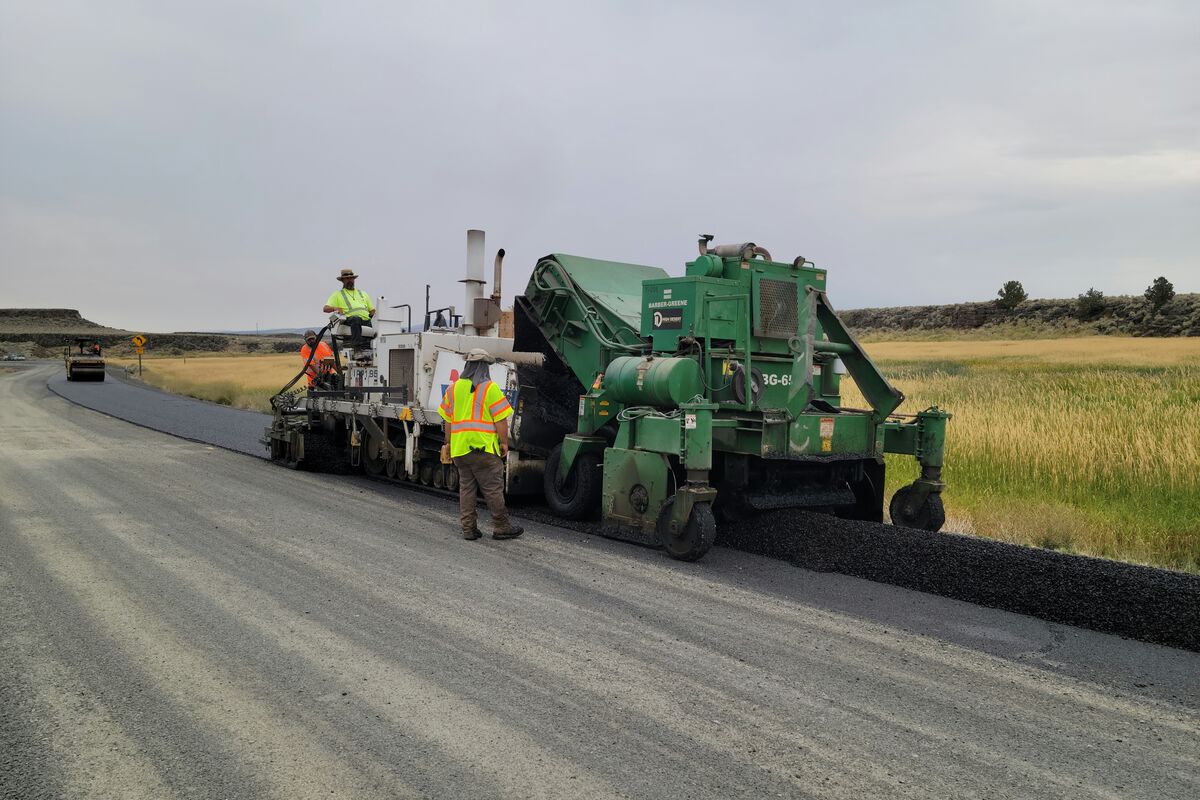
Thickness of the Tarmac Layer: The thickness of the tarmac layer can vary depending on the intended use of the surface. For example, a driveway may require a thickness of 2-3 inches, while a road may need 4-6 inches.
These can vary based on the complexity of the project, local wage rates, and the type of equipment needed. Labor and Equipment Costs: Beyond the cost of asphalt itself, users must also consider labor and equipment costs associated with installation.
This may include the type of asphalt (hot mix, cold mix, etc.), the total area to be covered (in square feet), and any additional costs such as labor and equipment rental. Input Parameters: Users enter specific details about their project.
Quality of Materials: The quality of the raw materials used in the asphalt mix can significantly affect the price. Higher-quality aggregates or additives that improve performance can increase costs but may provide better long-term value.
Online Calculators: Numerous websites offer free online Bitumen Calculators that require users to input their project parameters and receive instant results. These are particularly useful for quick estimates on the go.