For the vast majority of people, visiting a casino is a harmless, entertaining form of recreational activity.
A person suffering from a gambling disorder can easily hide their struggle behind a smile and a seemingly normal daily routine.
How to Spot the Psychological Red Flags
The most common behavioral sign is an intense, obsessive preoccupation with gambling, where the person constantly talks about odds or past wins.
A major red flag is 'chasing losses'—returning to the casino the very next day to aggressively try and win back money lost the night before.
- Lying about where they were or why money is missing from a joint bank account is a classic, universal symptom of the disorder
- They often isolate themselves from their normal social circles, preferring the company of other gamblers or the solitude of an online casino
- Problem gamblers frequently believe that a 'big win' is the only possible solution to the massive financial problems they have created
Financial Consequences and Seeking Help
An addict will quickly exhaust their personal savings and begin maxing out credit cards or taking out high-interest payday loans.
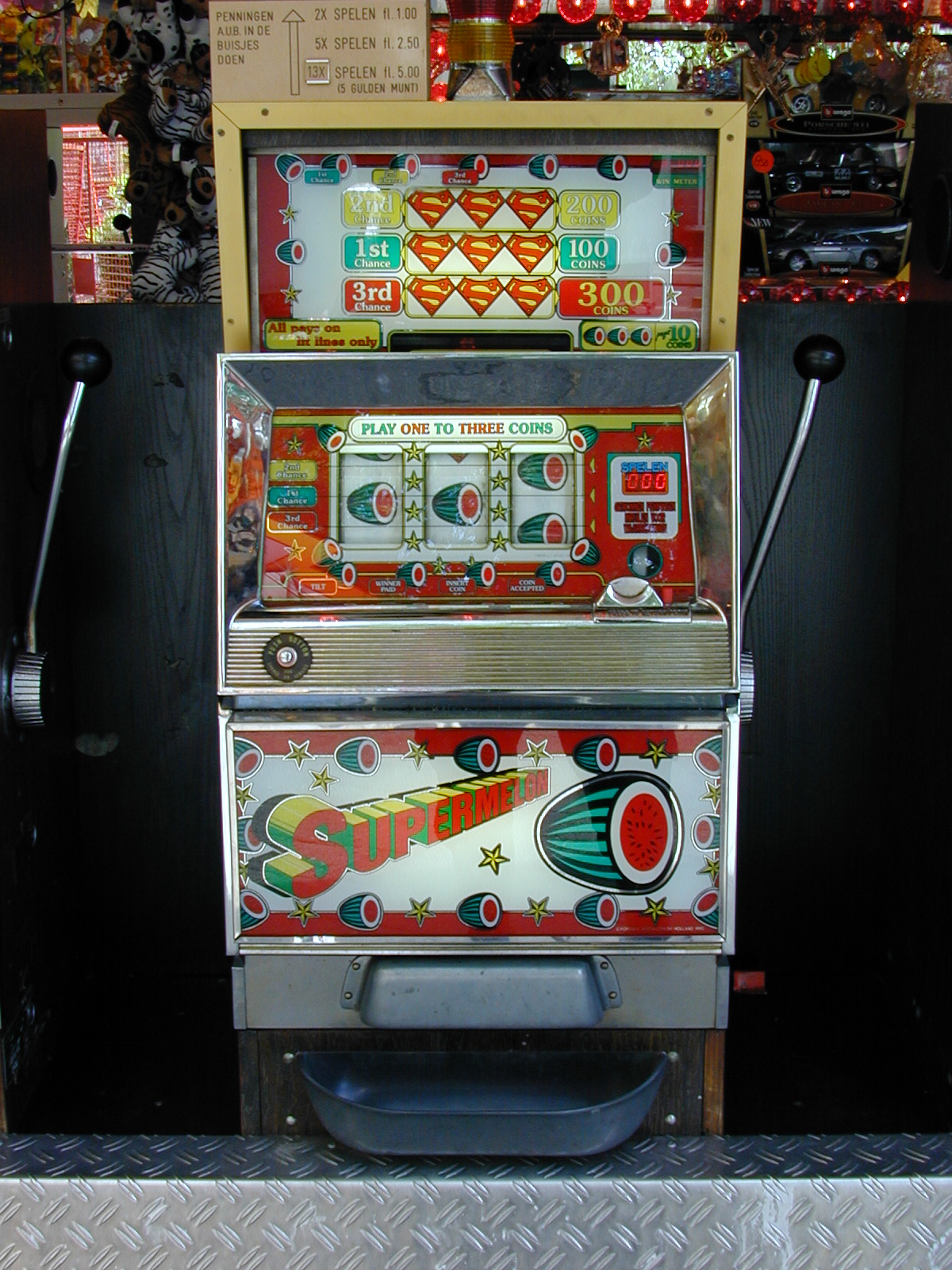
Gambling addiction is a recognized psychiatric disorder, and it requires targeted therapy and support groups to successfully overcome.
| Warning Sign Category | Example Behavior | Severity Level |
|---|
| Psychological | Lying about time spent at the casino | High (Indicates loss of control) |
| Financial | Stealing money from a family member | Critical (Requires immediate intervention) |
Remember, there is absolutely no shame in asking for help; overcoming the addiction is entirely possible with the right support.