
By understanding the key factors that influence asphalt volume calculations and following the appropriate steps to use the calculator, contractors and DIY enthusiasts can achieve successful paving projects. As technology continues to advance, the tools available for such calculations will only become more refined, making it easier for professionals and homeowners alike to manage their paving needs efficiently. Accurate calculations not only save money but also contribute to the longevity and performance of asphalt surfaces. It ensures that the right amount of material is purchased, which is critical for the quality and durability of the finished surface. Using an asphalt calculator to determine the cubic feet of asphalt needed for a project is a straightforward yet essential process in construction.
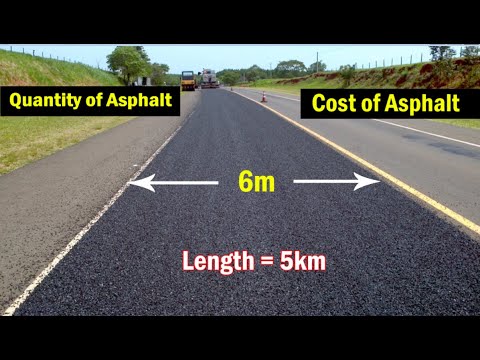
Accurate calculations are essential in any construction project, particularly in asphalt paving. An asphalt calculator provides a reliable means of determining the volume of asphalt needed, ensuring that
projects stay on budget and on schedule. Overestimating the amount of asphalt can lead to unnecessary expenses, while underestimating can result in insufficient material, leading to project delays and compromised quality.
Different projects may require varying thicknesses depending on the expected load, traffic conditions, and environmental factors. Common thicknesses range from 2 to 6 inches. Thickness of Asphalt Layer: The thickness of the asphalt layer is another vital consideration.
This report delves into the significance, functionality, and application of the Asphalt Volume Calculator, providing insights into its importance in construction and civil engineering. This is where the Asphalt Volume Calculator comes into play. To ensure that projects are executed efficiently and economically, accurate calculations of asphalt volume are essential. Asphalt is a crucial material in the construction and maintenance of roads, pavements, and various other surfaces.
Well-compacted asphalt will have a higher density than poorly compacted asphalt, affecting the overall weight. Compaction: The degree of compaction achieved during the laying process can also impact the final weight of the asphalt.
Thickness of the Layer: The thickness of the asphalt layer has a direct impact on the weight. It is essential to determine the appropriate thickness based on traffic loads and environmental conditions. Thicker layers require more asphalt, while thinner layers need less.
This flexibility is essential for users who may be working with varying measurement systems. Conversion Tools: Asphalt calculators often include conversion tools to switch between different units of measurement, such as square feet to square yards or tons to cubic yards.
By inputting specific parameters, users can receive accurate estimates that help in budgeting and project planning. A Parking Lot
Asphalt Calculator is a specialized tool designed to estimate the quantity of asphalt needed for paving a parking lot. It takes into account various factors such as the dimensions of the lot, the thickness of the asphalt layer, and the density of the asphalt material.
This includes adjusting the thickness of the asphalt layer, selecting different types of asphalt mixtures, and accounting for any additional materials needed. Customization Options: Users can customize their calculations based on specific project requirements.
As the construction industry continues to evolve, tools like the Asphalt Weight Calculator will remain critical in promoting efficiency and sustainability in asphalt applications. By providing accurate weight estimates based on area, thickness, and density, the calculator facilitates better planning, budgeting, and material procurement. The Asphalt Weight Calculator is an invaluable tool for construction professionals involved in paving and asphalt-related projects. Understanding the factors that influence asphalt weight is essential for making informed decisions and ensuring project success.
Type of Asphalt Mix: Different types of asphalt mixes have varying densities. The density of the asphalt mix being used will affect the volume calculation, as denser mixes will require less volume to achieve the same weight.
Density of Asphalt Mix: The density of the asphalt mix can vary based on the type of asphalt used. Standard densities are often provided, but users may need to input specific values based on the mix being used.
This is where the Asphalt Weight Calculator comes into play. When planning a construction project that involves asphalt, one of the key considerations is the weight of the asphalt required. In this article, we will explore what an Asphalt Weight Calculator is, how it works, its importance in construction projects, and the factors that influence asphalt weight. Asphalt is a crucial material used in road construction, paving, and various other applications due to its durability and flexibility.
Engineers can quickly analyze various scenarios and make informed decisions without extensive manual calculation Efficiency: The use of a Pavement Calculator significantly reduces the time required for pavement design.