Preventive healthcare plays an important role in maintaining physical and mental well-being. Preventive medicine focuses on reducing avoidable health risks. It combines lifestyle habits, vaccinations, suitable medical screenings, and professional healthcare guidance. While individual health outcomes depend on numerous factors, prevention offers practical opportunities to address modifiable risks.
What Is Preventive Healthcare and Why Does It Matter?
A preventive approach considers both everyday habits and appropriate medical services. These measures may include routine vaccinations, health counseling, and recommended screening tests. Prevention is commonly discussed in several categories. Primary prevention aims to reduce the occurrence of disease, while secondary prevention focuses on identifying certain conditions early. Tertiary prevention helps limit complications and improve functioning in people with established health conditions. Together, they demonstrate that preventive medicine extends beyond routine checkups.
The Importance of Nutrition in Preventive Healthcare
Nutrition is an important component of preventive health. A varied diet generally emphasizes a broad selection of minimally processed foods and adequate essential nutrients. Dietary recommendations should also account for age, health conditions, cultural preferences, and individual requirements. Choosing water instead of frequently consuming sugary drinks may support healthier dietary habits. People with specific medical conditions may need personalized guidance from qualified healthcare professionals.
Physical Activity and Its Long-Term Health Benefits
Movement is an essential part of maintaining physical fitness and everyday functioning. Exercise can help support energy balance,
public health news coordination, and overall fitness. For many adults, widely used public health guidance recommends at least 150 minutes of moderate-intensity aerobic activity per week, together with muscle-strengthening activities on two or more days. Individual recommendations may differ according to medical circumstances and physical ability. Choosing enjoyable and manageable activities can make consistent movement easier. People with significant health limitations should discuss suitable activity levels with a healthcare professional.
The Connection Between Rest and Well-Being
Healthy sleep patterns contribute to everyday functioning and overall well-being. Consistent rest helps support physical recovery and normal metabolic processes. Most adults are generally advised to obtain at least seven hours of sleep per night, although individual needs vary. Limiting caffeine late in the day can be useful for people whose sleep is affected by stimulants. Persistent insomnia, excessive daytime sleepiness, or suspected sleep apnea warrants professional assessment rather than relying exclusively on lifestyle adjustments.
Medical Screenings and Early Detection
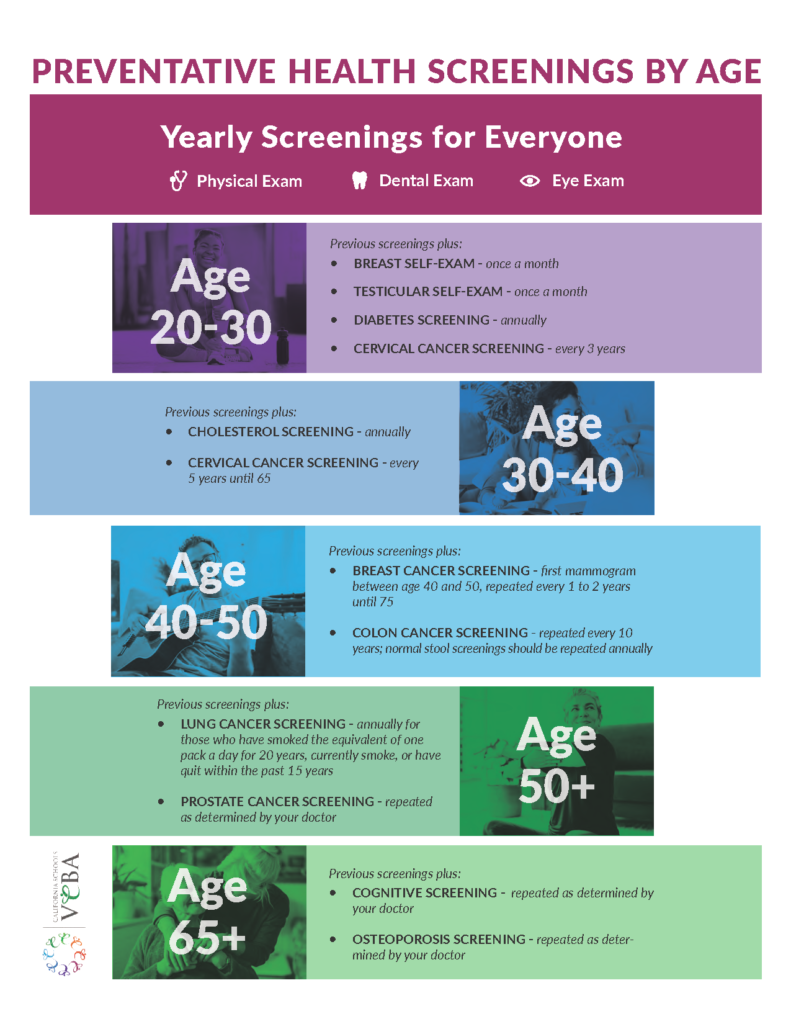
Preventive examinations are one component of evidence-based healthcare. Depending on individual circumstances, healthcare professionals may discuss age-appropriate examinations and evaluation of relevant medical risks. However, not every screening test is beneficial for every person. Potential advantages must be weighed against false-positive results, unnecessary procedures, and other possible harms. Age, family history, medical background, and national recommendations influence screening decisions. New symptoms require diagnostic evaluation rather than waiting for a routine screening appointment.
Vaccination and Protection Against Infectious Diseases
Vaccines provide an important tool for preventing selected infections and their complications. Recommended vaccinations vary according to previous vaccination records, travel plans, and specific risk factors. Some vaccines require periodic updates or additional doses to maintain recommended protection. People should consult current official recommendations when considering vaccination. Like other medical interventions, vaccines have potential adverse effects, and individual contraindications or precautions should be evaluated when relevant.
The Importance of Mental Health in Preventive Care
Emotional health deserves attention within a comprehensive preventive strategy. Chronic stress, inadequate rest, and limited social support can affect everyday functioning. Helpful practices may include realistic workload planning, healthy boundaries, and meaningful leisure activities. People experiencing significant changes in mood, functioning, or behavior should consider professional support. Recognizing mental health concerns and seeking appropriate assistance are important aspects of maintaining well-being.
Why Preventive Care Should Reflect Personal Needs
Preventive healthcare is most useful when it reflects individual circumstances. Factors such as age, family history, existing medical conditions, and lifestyle can influence healthcare recommendations. A practical approach may involve discussing suitable screenings, reviewing vaccinations, and identifying realistic lifestyle improvements. Small changes maintained consistently can be more manageable than ambitious short-term plans. Preventive decisions should be based on credible medical evidence rather than marketing promises.
Innovation in Preventive Medicine
Digital technology is creating new opportunities for preventive healthcare. Wearable devices and mobile applications may help users observe physical activity, sleep patterns, and selected physiological measurements. Telemedicine can also improve access to certain consultations when appropriate. However,
consumer market trends devices differ in accuracy and clinical usefulness. Unusual readings may require confirmation using validated medical methods. Privacy and data security are additional considerations when choosing connected health services.
Making Prevention Part of Everyday Life
Long-term well-being often depends on consistent and realistic habits. Balanced nutrition, regular physical activity, sufficient sleep, and attention to mental health can support overall wellness. Medical screenings and vaccinations should follow suitable professional recommendations. News129 highlights developments in healthcare, business, technology, and the automotive industry, reflecting how innovation influences different areas of modern life. Understanding reliable health information can help readers make more informed decisions. The objective is not to eliminate every possible risk but to make informed choices that support health over time.