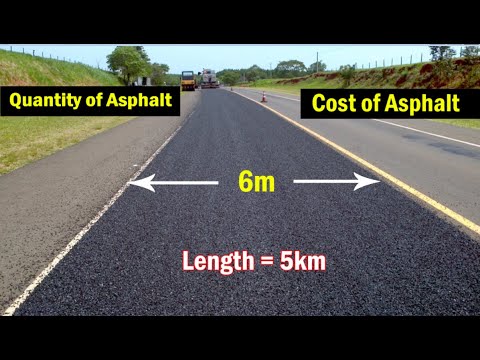
An asphalt paving calculator is a tool that helps contractors, builders, and DIY enthusiasts estimate the amount of asphalt required for a paving project. By inputting specific parameters such as the dimensions of the area to be paved, the desired thickness of the asphalt layer, and the density of the asphalt, users can receive an estimate of the total material needed, along with cost projections.
Ongoing training and outreach efforts are necessary to encourage wider adoptio User Adoption: While many engineers and contractors have embraced the tool, there remains a segment of the industry that relies on traditional methods.
The design focused on simplicity, allowing users to input data quickly and receive instant feedbac User Interface Development: A user-friendly interface was created to ensure that engineers and contractors could easily navigate the tool.
An asphalt calculator minimizes these risks. Manual calculations can lead to errors, especially when dealing with complex shapes or multiple layers. Accuracy: One of the primary benefits of using an
asphalt calculator is the accuracy it provides.
Training sessions were conducted for engineers and contractors to familiarize them with the tool and its functionalitie Deployment and Training: Once validated, the Asphalt Overlay Calculator was deployed across various platforms, including desktop and mobile applications.
Research and Data Collection: The team conducted extensive research on existing pavement management practices and gathered data on various asphalt materials, traffic loads, and environmental conditions. This data served as the foundation for the calculator's algorithm
Environmental Benefits: The calculator’s emphasis on minimizing material waste aligns with sustainable construction practices. By optimizing overlay designs, it contributes to reduced carbon footprints and promotes environmentally friendly practices in the industr
Weather Conditions: Temperature can affect the density of asphalt. Type of Asphalt Mix: Different mixes may have varying densities, which can affect the calculation. Waste Factor: It is prudent to account for waste, spillage, and compaction. A common practice is to add 5-10% to the calculated amount. Hot asphalt is less dense than cooler asphalt, which may slightly alter required
quantitie Always check with the supplier for the specific density of the mix being used.
To convert this volume into tons of asphalt, you need to consider the density of the asphalt mix, which typically ranges from 140 to 150 pounds per cubic foot. The formula to convert cubic feet to tons is:
Project Timeline: Delays caused by material shortages can impact the overall timeline of the project. Accurate calculations help ensure that materials are on-site when needed, keeping the project on schedule.
This density is a critical factor when calculating the required tons for a projec The density of asphalt can vary based on its composition and temperature, but it typically ranges from 140 to 150 pounds per cubic foot (pcf). It is primarily used in road construction and roofing. Understanding Asphalt
Asphalt, also known as bitumen, is a sticky, black, and highly viscous liquid or semi-solid form of petroleum.

This tool aims to empower homeowners with knowledge, enabling them to make informed decisions and budget effectively for their driveway project The primary objective of developing a Blacktop Driveway Cost Estimator was to provide homeowners with an easy-to-use tool that allows them to obtain a preliminary estimate of the costs associated with installing a blacktop driveway.
Cost Savings: By optimizing overlay thickness and material usage, the calculator has led to significant cost savings for both public agencies and private contractors. These savings can be redirected towards other infrastructure projects, improving overall community developmen
Knowing the precise amount of asphalt needed helps in preparing accurate quotes and managing finances effectively. Planning and Budgeting: Accurate asphalt calculations are essential for project planning and budgeting.
Thickness of Asphalt Layer: The desired thickness of the asphalt layer, typically measured in inches or millimeters. Area of Coverage: The total area (in square feet or square meters) that needs to be covered with asphalt. Density of Asphalt: The weight of asphalt per unit volume, which is essential for converting volume to weigh
Time-Saving: Calculating the amount of asphalt needed can be time-consuming, especially for large projects. An asphalt calculator streamlines this process, allowing contractors to focus on other aspects of the project.

This not only saves money but also reduces waste and environmental impact. Cost Efficiency: By providing accurate estimates, asphalt calculators help prevent over-ordering or under-ordering of materials.
Introduction
Asphalt is a vital material in the construction and maintenance of roads, parking lots, and various other surfaces. This report provides a detailed guide on how to calculate asphalt tons, including the necessary formulas, factors to consider, and practical example Knowing how to calculate the amount of asphalt needed for a project is essential for accurate budgeting and resource management.