Many modern operating systems support game controllers, allowing users to navigate their desktops and applications using the joystick and buttons. With the rise of cloud gaming and gaming platforms, the integration of game controllers into everyday computing is likely to increase, providing users with more options for navigation. Game controllers have evolved beyond their traditional role in gaming, becoming viable cursor alternatives for general computer use. This method can be particularly appealing for gamers who prefer the tactile feedback of a controller over a mouse.
Eye-tracking technology represents a significant advancement in cursor alternatives, particularly for individuals with mobility impairments. Systems like Tobii and EyeTech have developed eye-tracking devices that can be integrated with computers, enabling users to click, scroll, and select items simply by looking at them. This innovation not only increases accessibility but also opens new avenues for interaction in gaming and virtual reality environments. This technology enables users to control the cursor using their eye movements, allowing for hands-free navigation.
This technology has profound implications for accessibility, particularly for individuals with mobility impairments. Eye tracking can enable users to interact with devices solely through their gaze, providing a new level of independence. Moreover, eye tracking can be utilized in various fields, including gaming, marketing, and research, to analyze user behavior and preferences more effectively.
Open Source Cursor Alternatives.cc is particularly appealing for those who want a quick and straightforward way to design custom cursors without downloading software. Cursor.cc: This online platform allows users to create and customize cursors directly in their web browser. Users can select colors, shapes, and sizes, and then download their creations for use.
With the rise of touchscreen devices, such as tablets and smartphones, the need for a traditional cursor has diminished in many contexts. This intuitive method of interaction can enhance user experience, particularly in mobile applications and gaming, where precision is less critical than quick, fluid movements. Touchscreen gestures allow users to interact directly with the screen, using taps, swipes, and pinches to navigate and manipulate content.
Misinformation and lack of awareness can impede acceptance and support for renewable energy initiatives. Education and outreach are vital to foster public support. Public Perception and Awareness: Public understanding of renewable energy and its benefits can vary significantly.
This allows individuals to enhance their digital experience without the financial burden of purchasing software or designs. Cost-Effective: Many cursor alternatives are available for free, making them accessible to a wide range of users.
These cursor alternatives cater to diverse user needs, promoting inclusivity and efficiency in digital interactions. The future of human-computer interaction is bright, and with these cursor alternatives, we are just beginning to scratch the surface of what is possible. As we move forward, it is essential for developers and designers to embrace these technologies, creating interfaces that are not only functional but also intuitive and engaging.
Touch gestures, voice control, eye tracking, gesture recognition, haptic feedback, and brain-computer interfaces all represent innovative alternatives that enhance user experience and accessibility. As technology continues to advance, the traditional cursor is no longer the sole means of interaction in the digital landscape.
This customization enhances brand recognition and creates a cohesive user experience. Customize for Brand Identity: Cursors should reflect the brand identity of the application. Developers can modify existing cursor designs or create new ones that incorporate brand colors, logos, and other visual elements.
In the realm of autonomous vehicles, AI has made significant progress, with companies like Tesla, Waymo, and Uber leading the charge. While fully autonomous vehicles are still in the testing phase, the technology continues to evolve, promising to reshape transportation and reduce traffic accidents in the future. Advanced driver-assistance systems (ADAS) utilize AI to enhance vehicle safety, offering features like lane-keeping assistance, adaptive cruise control, and automatic emergency braking.
As nations commit to ambitious climate targets, the demand for renewable energy is expected to surge. This shift will not only help combat climate change but also create a more sustainable and resilient energy system. According to the International Energy Agency (IEA), renewable energy could account for nearly 80% of global power generation by 2030 if current trends continue.
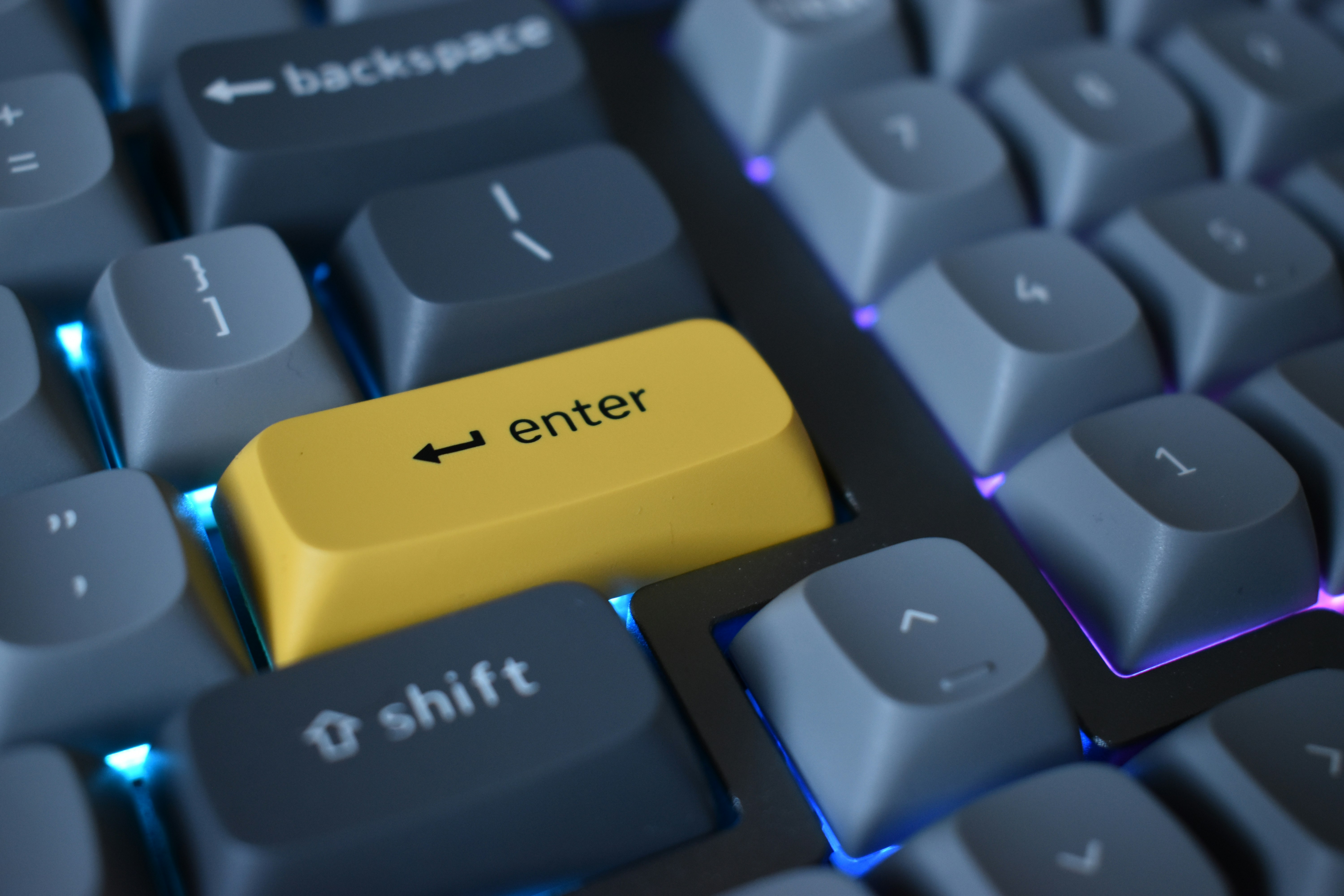
Multi-touch gestures, such as pinch-to-zoom and three-finger swipes, enhance functionality, making trackpads a versatile option for both casual users and professionals. The integration of haptic feedback in some advanced touchpads also adds a tactile element to the user experience. Trackpads and touchpads are common on laptops and some external keyboards, offering an alternative to traditional mouse cursors. These devices allow users to control the cursor with finger movements, providing a compact and efficient way to navigate without a mouse.